
The Cardinal Onaiyekan Debate: Can Nigerians Ever Be Satisfied? By Matthew Ma
04th August, 2026 | News
Here is a rewritten, more polished and readable version of the article while preserving its core arguments and structure:
Do Nigerians Truly Want Religious Leaders to Speak Out? The Cardinal Onaiyekan Debate Raises a Deeper Question
The public reaction to recent comments by Cardinal John Onaiyekan has exposed a striking contradiction in Nigeria’s national conversation. Nigerians frequently urge religious leaders to speak against injustice, insecurity, corruption, economic hardship, and poor governance. Yet when some of them do so, they are often accused of political bias, hidden motives, or unnecessary interference in government affairs.
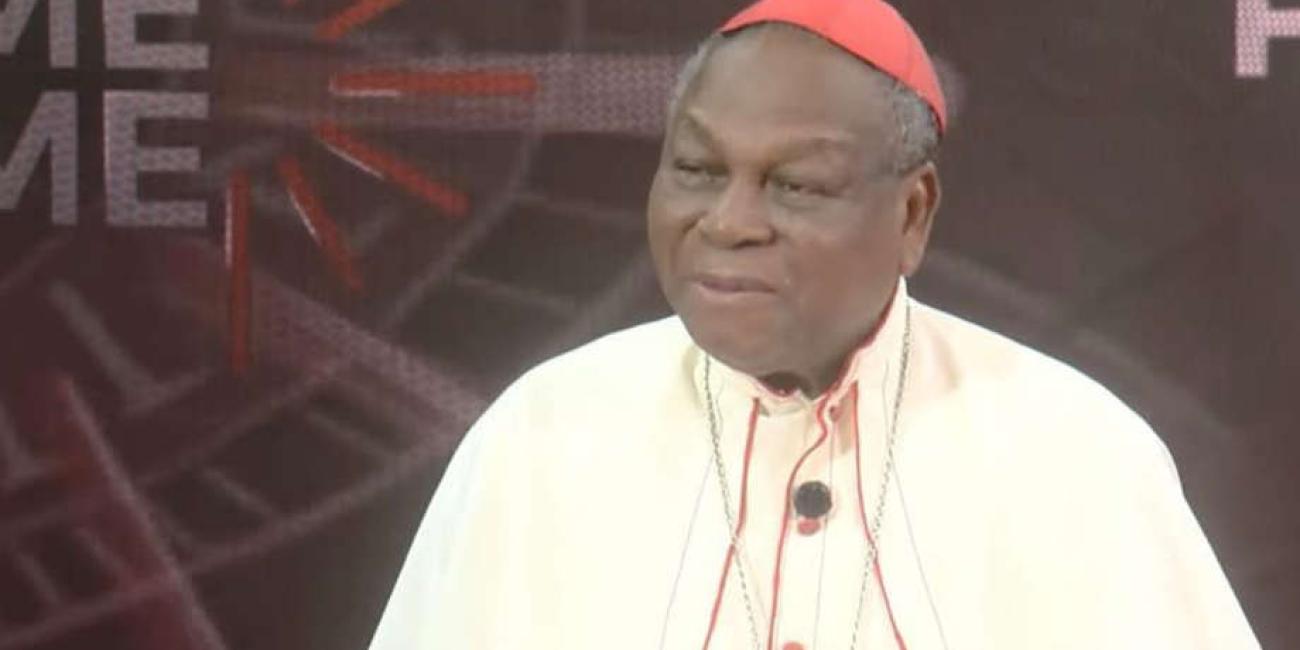
This paradox lies at the heart of the debate surrounding Cardinal Onaiyekan’s recent interview on Arise TV, where he discussed the meeting between the Catholic Bishops’ Conference of Nigeria (CBCN) and President Bola Tinubu. Rather than responding to his observations with evidence or policy arguments, critics focused on attacking the messenger.
A more constructive response would have been to address the issues he raised. If the economy is improving, insecurity is declining, and government policies are delivering measurable benefits, those claims should be supported with facts, not by questioning the credibility of a respected religious leader.
The meeting between the bishops and the President was not secret. It was publicly acknowledged and widely reported. Such engagements have long been part of Nigeria’s democratic and even military-era history. Catholic bishops have met with successive leaders—from Ibrahim Babangida and Sani Abacha to Goodluck Jonathan, Muhammadu Buhari, and now Bola Tinubu—to discuss national concerns and offer moral guidance on issues affecting the country.
A Consistent Voice Across Governments
Anyone familiar with Cardinal Onaiyekan’s public record knows that he has consistently challenged governments of different political persuasions. He has spoken out against corruption, insecurity, electoral manipulation, religious intolerance, bad governance, and violations of human dignity.
During the Obasanjo administration, he opposed efforts to extend presidential tenure, describing them as a threat to democratic order. Under Goodluck Jonathan, he criticised corruption that weakened Nigeria’s fight against Boko Haram. During the Buhari administration, he openly declared that the Catholic bishops had lost confidence in the government because of persistent killings and poor governance.
These examples demonstrate that his recent comments are not a sudden political intervention but part of a long-standing pattern of speaking truth to power regardless of who occupies office.
The Role of Religious Leaders in a Democracy
In established democracies around the world, governments routinely engage with faith leaders on matters of national importance. Religious institutions, including Catholic bishops in countries such as the United States, regularly issue public statements urging elected officials to uphold justice, protect the vulnerable, and govern responsibly. Their interventions are often debated and criticised, but they are generally treated as legitimate contributions to democratic discourse rather than as improper political interference.
The mission of the Catholic bishops is not to endorse political parties or seek public office. Their responsibility is to defend human dignity, promote justice, protect the vulnerable, and hold society—including those in power—to moral and constitutional standards. Speaking about insecurity, corruption, economic hardship, or human rights is not partisan politics; it is part of their prophetic and ethical duty.
Silence Is Criticised, Speech Is Also Criticised
Ironically, if the bishops had remained silent after meeting the President, many of the same critics would likely have accused them of secrecy, complicity, or indifference. When they speak, they are accused of saying too much; when they remain quiet, they are accused of saying too little.
Citizens are entitled to disagree with Cardinal Onaiyekan’s views, question the bishops’ strategy, or debate whether such meetings produce meaningful results. That is healthy democratic engagement. What is less healthy is shifting attention away from the issues raised and toward personal attacks on the individual who raised them.
Meeting with the President does not mean endorsing every government policy, just as explaining the content of a public meeting does not amount to revealing confidential state secrets. Religious leaders can engage with government while maintaining their independence and their ability to criticise when necessary.
The Larger Question
Nigeria needs more honest conversations, not fewer. It needs institutions that can engage constructively with government while retaining the courage to challenge policies that harm the public interest. It also needs citizens willing to evaluate arguments on their merits rather than through the lens of partisan suspicion.
The real question is not why Cardinal Onaiyekan spoke after an officially known meeting. The question is whether Nigerians are prepared to listen to uncomfortable truths and respond with reason and evidence instead of hostility and suspicion.
Democracy flourishes when religious communities, civil society organisations, the media, and professional bodies are free to participate in public debate, offer criticism, and advocate for justice and accountability. Speaking truth to power is not an abuse of influence; it is a moral responsibility.
Whether one agrees with Cardinal Onaiyekan or not, his comments should be judged by their truthfulness, fairness, and relevance to the public good—not by assumptions about hidden political motives. A society that repeatedly vilifies its most principled voices risks losing one of its most important sources of moral guidance.
Perhaps the deeper issue is whether Nigeria is ready for the kind of candid national dialogue that genuine progress requires. Until we learn to value integrity over partisanship, evidence over emotion, and honest criticism over comforting narratives, the challenges we claim to want solved may continue to persist.