South-East Lawyers, Civil Societies Accuse Nigerian Security Agencies Of Rights Abuses, Demand End To Torture, Arbitrary Arrests
04th August, 2026 | News
South-East Stakeholders Launch Human Rights Bureau, Say Lasting Security Requires Justice, Not Force
Human rights advocates, legal practitioners, civil society organisations, traditional leaders and development partners have called for a new approach to addressing insecurity in Nigeria’s South-East, insisting that lasting peace cannot be achieved through military force alone.
The stakeholders made the call during the launch of the Southeast Human Rights Bureau (SEHRB) at the end of a two-day regional conference held in Enugu on July 23–24, 2026. The conference was organised by the Rule of Law and Accountability Advocacy Centre (RULAAC) in collaboration with the Nigerian Bar Association (NBA), South-East civil society groups, human rights institutions and development partners, with support from the Ford Foundation.
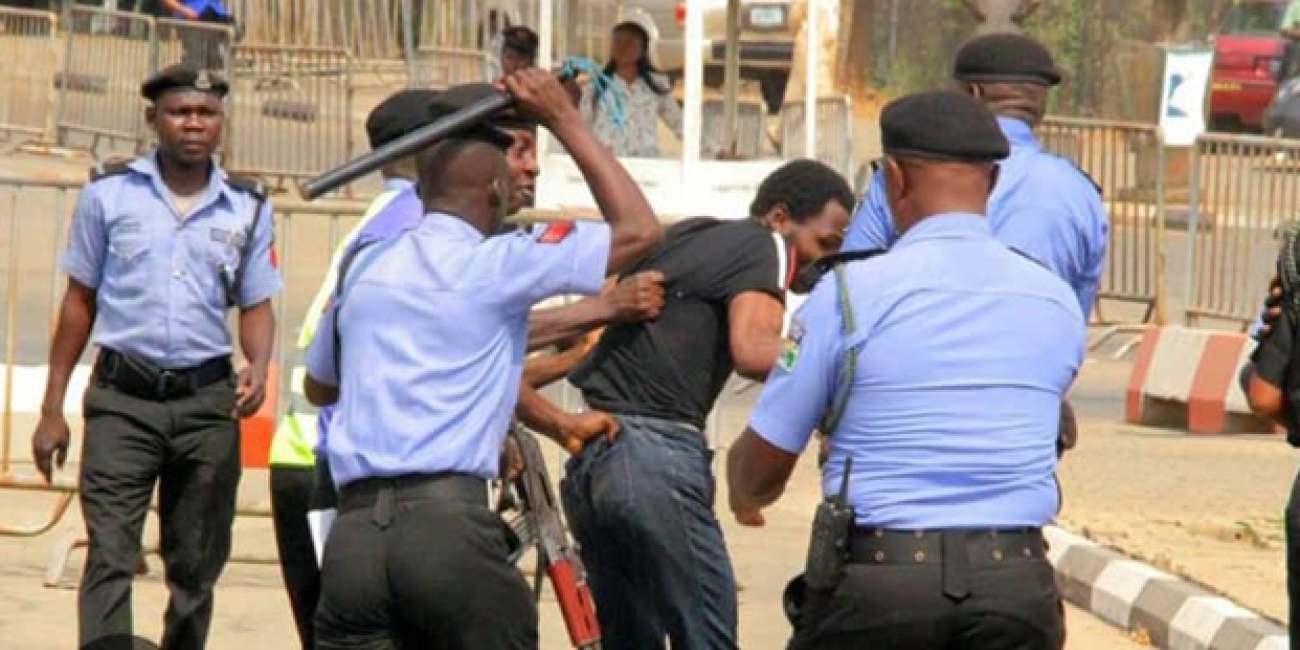
Participants expressed concern over growing allegations of arbitrary arrests, torture, prolonged detention, enforced disappearances, extrajudicial killings, shrinking civic space and gender-based violence across the South-East. They stressed that while government has a constitutional duty to protect lives and property, security operations must be conducted within the framework of the law and with full respect for human rights.
According to the conference communiqué, sustainable security can only be achieved through justice, accountability, constitutional rights, inclusive governance and public trust in state institutions, rather than relying solely on military and law enforcement operations.
To support this objective, stakeholders formally inaugurated the Southeast Human Rights Bureau as a permanent regional institution that will coordinate human rights monitoring, documentation, strategic litigation, advocacy and collaboration among civil society organisations, lawyers, journalists, researchers, traditional rulers, government agencies and development partners.
The conference also unveiled an Open-Source Reporting Platform, designed to allow victims and human rights defenders to securely document alleged abuses, preserve digital evidence, verify incidents, identify patterns of violations and strengthen advocacy, litigation and policy reforms.
Participants further endorsed the creation of a Strategic Litigation and Class Action Initiative to provide legal support for victims of serious human rights violations and ensure accountability through the courts.
The stakeholders called for stronger collaboration between security agencies, government institutions, civil society organisations, local communities and development partners to strengthen early warning systems, prevent conflicts and promote peaceful dispute resolution.
During the conference, participants received specialised training on digital documentation, open-source investigations, digital security, ethical reporting and evidence preservation to improve the quality of human rights monitoring across the region.
Speaking at the event, RULAAC Executive Director Okechukwu Nwanguma described the bureau as the implementation of a key recommendation from the 2025 South-East Peace and Security Summit, stressing that sustainable peace requires accountable institutions, respect for constitutional rights, effective governance and citizen participation.
Chairman of the occasion, Very Rev. Monsignor Prof. Obiora Ike, described the bureau as a timely response to the region’s growing governance and human rights challenges. Quoting St. Augustine, he said, “Without justice, a state is nothing more than a band of robbers,” and urged the bureau to become a credible institution that promotes accountability, supports victims and drives policy reforms.
Former United Nations Special Rapporteur on Trafficking in Persons, Prof. Joy Ngozi Ezeilo (SAN), also emphasised that respect for human rights remains essential to democratic governance and lasting peace.
Representatives of the Ford Foundation, the Prisoners’ Rehabilitation and Welfare Action (PRAWA) and the National Human Rights Commission (NHRC) welcomed the initiative, highlighting the importance of regional cooperation, professional documentation, institutional accountability and stronger partnerships in protecting citizens’ rights.
At the conclusion of the conference, participants reaffirmed their commitment to building a coordinated regional network dedicated to promoting human rights, supporting victims, strengthening democratic governance and ensuring that security operations in the South-East comply with both Nigeria’s Constitution and international human rights standards.