
Olawepo-Hashim: ₦605 Petrol Only First Step On Affordable Energy
1st September, 2026 | News
Olawepo-Hashim: ₦605 Petrol Price Is Only a Starting Point, Could Fall to ₦200–₦300
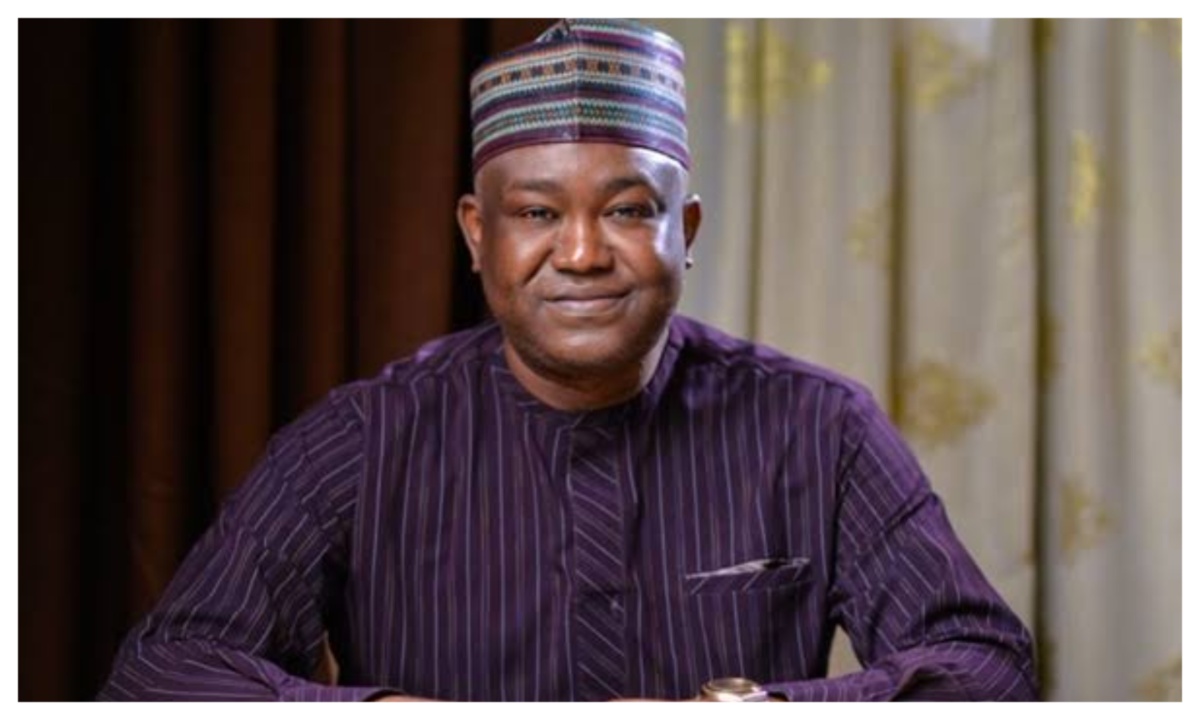
Presidential candidate of the Accord Party, Dr Gbenga Olawepo-Hashim, has said his proposed petrol price of about ₦605 per litre would only be the beginning of a broader energy policy aimed at eventually reducing the price to between ₦200 and ₦300 per litre.
Hashim, who is campaigning on an “energy security first” agenda, said Nigeria could achieve lower petrol prices without returning to the opaque fuel subsidy system that existed before the 2023 reform.
According to him, Nigeria must focus on determining the actual cost of producing crude oil, refining it and delivering petroleum products to consumers rather than simply linking domestic petrol prices to international market prices.
His campaign’s proposed ₦605 benchmark is based on a crude production cost of about $45 per barrel, with additional industry-related costs and margins. Using an illustrative exchange rate of ₦1,400 to the dollar, the campaign estimates the crude component at roughly ₦502 per litre, before adding refining, transportation, insurance and other costs.
Hashim’s team has also proposed an Energy Stabilisation Tax of about ₦104 per litre to arrive at the ₦605 target. However, the campaign acknowledged that the calculation is only a benchmark because one barrel of crude does not produce 159 litres of petrol alone; it produces a range of products, including diesel, aviation fuel, LPG and other refinery outputs.
Hashim has called for an independent forensic audit of Nigeria’s entire petroleum value chain, covering crude production, contracting, procurement, security, transportation, refining, storage, insurance, pipelines and distribution.
He argued that Nigerians should be shown the actual costs and margins at every stage of the petroleum supply chain.
The Accord presidential candidate also questioned the argument that Nigerians must automatically pay international opportunity prices for crude produced domestically. He maintained that the cost of producing energy should be clearly distinguished from the international market value of Nigeria’s crude.
Hashim said Nigeria’s expanding refining capacity provides an opportunity to transform the country’s petroleum sector. He proposed greater support for large-scale and modular refineries, regional refining facilities, petrochemical plants, storage infrastructure and crude evacuation systems.
According to him, domestic refining should not merely eliminate fuel imports but should also reduce energy costs, retain more value within Nigeria and support industrialisation.
He also stressed that increased refinery capacity would not be sufficient if local refineries could not access crude at competitive prices.
On the exchange rate, Hashim proposed a range of approximately ₦525–₦700 to the dollar, arguing that a stronger and more stable naira would reduce the cost of imported equipment, technology and other dollar-denominated inputs in the energy sector.
He believes that lower crude production costs, efficient domestic refining and a stronger naira could eventually bring petrol prices down to between ₦200 and ₦300 per litre.
Hashim said the ultimate goal is not simply cheaper petrol, but lower energy costs across transportation, agriculture, manufacturing, mining and other productive sectors of the economy.
He argued that Nigeria should seek to increase government revenue by expanding economic productivity rather than relying heavily on high energy prices.
“₦605 is where we start. ₦200–₦300 is where we can go,” Hashim said, maintaining that the path would depend on lower production costs, increased domestic refining, a stronger naira, greater energy production and policies that treat affordable energy as an investment in national productivity.