
Xenophobic Attacks Threaten South Africa’s Global Standing As Govt Gives Weak Responses — Prof Isike
South Africa’s Global Image “At Risk” as Xenophobic Violence Targets Schools
PRETORIA — South Africa is facing a critical erosion of its regional influence and “soft power” due to persistent xenophobic violence against fellow Africans, a leading expert in international relations has warned.
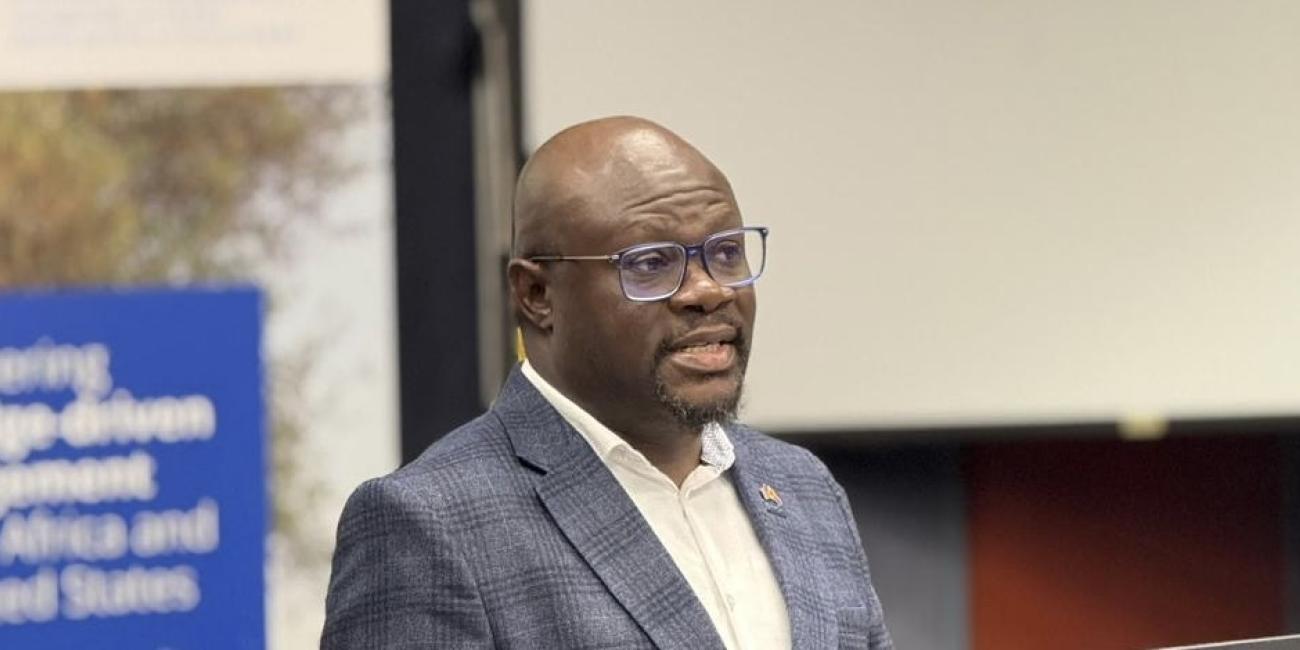
Prof. Christopher Isike, Professor of African Politics at the University of Pretoria, issued the warning during a media interview on April 26, 2026. He argued that the recurring attacks undermine South Africa’s legitimacy as a member of elite global blocs like BRICS and the G20.
A Contradiction in Leadership
Prof. Isike highlighted the disconnect between South Africa’s diplomatic ambitions and its domestic reality:
- Erosion of Soft Power: “The country presents itself as a continental gateway,” Isike noted, “but it must answer how it can sustain that leadership while being unable to accommodate other Africans within its borders.”
- Economic Risks: South Africa stands to be the biggest beneficiary of the African Continental Free Trade Area (AfCFTA), yet continued hostility threatens the cooperation needed for regional economic integration.
- Lack of Accountability: The professor blamed the persistence of these attacks on a “weak response” from authorities, specifically the consistent failure to prosecute perpetrators.
A New Flashpoint: Targeted Schools
The academic warning comes as xenophobic activity moves from marketplaces into the classroom. Recent reports indicate a disturbing escalation involving the group Operation Dudula:
- Forced Removals: Members of the group have reportedly stormed schools to block the children of foreign African nationals from attending classes.
- Violence and Gunfire: Videos circulating online show chaotic scenes of uniformed children fleeing for safety. In one harrowing clip, gunshots can be heard as a mother attempts to comfort her terrified child.
- The “Inward” Threat: Isike warned that such an “inward-looking approach” will ultimately slow South Africa’s own development, noting that thousands of South Africans live and work across the continent and could face reciprocal consequences.
The Call for Action
Prof. Isike urged the South African government to prioritize public education on the benefits of regional integration and migrant contributions—ranging from labor and skills to investment.
He also called on the home governments of affected nationals to take stronger diplomatic steps to protect their citizens, citing Ghana’s proactive engagement as a potential model for other African nations.
“There is no justification for Africans attacking fellow Africans,” Isike concluded, stressing that the violence continues to tarnish the nation’s reputation as a “leading voice” for the continent.