
Olumide-Fusika: Government Money Is Stolen Because It Isn’t Spent On The People
1st October, 2026 | News
Olumide-Fusika: Unspent Government Funds Create Opportunities for Corruption
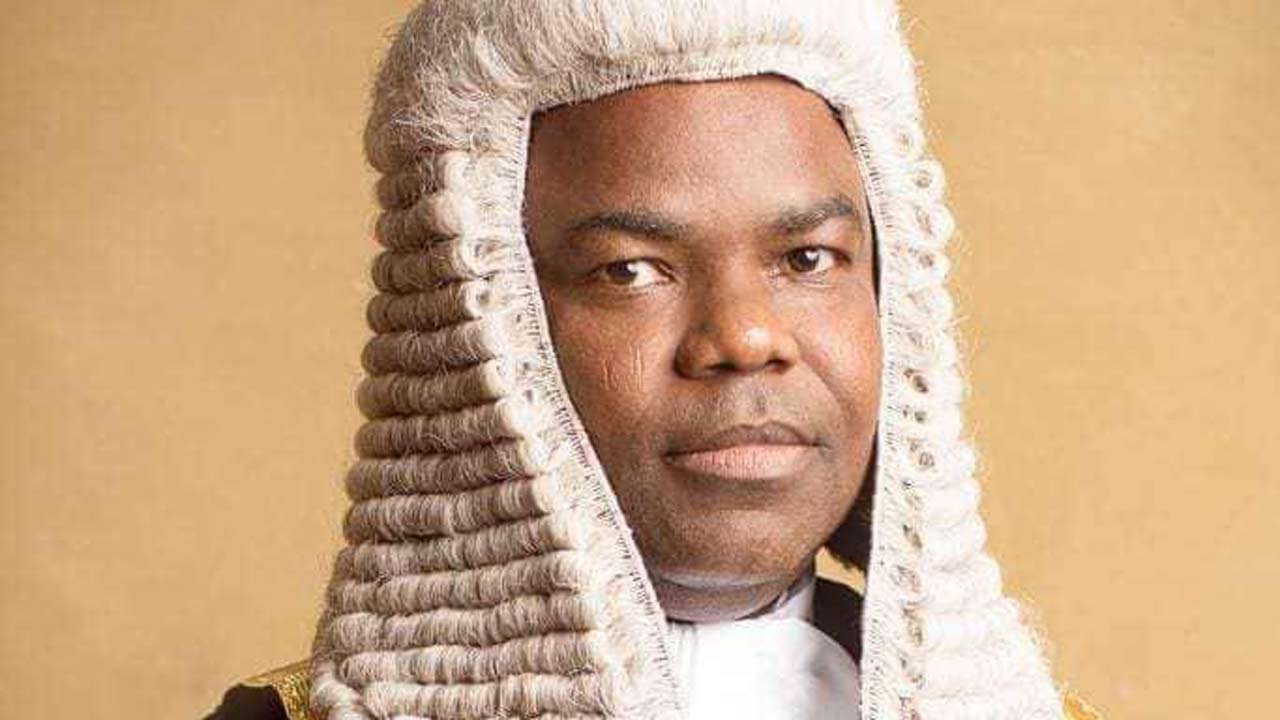
Senior Advocate of Nigeria (SAN), Adeyinka Olumide-Fusika, has argued that government funds not properly allocated to public needs can create opportunities for corruption, theft and misuse of public resources.
Speaking during an interview with ARISE NEWS on Wednesday, Olumide-Fusika said Nigeria’s fight against corruption should focus less on repeated promises and tougher penalties and more on how government resources are budgeted, spent and monitored.
The senior lawyer said public funds should be directed towards essential services such as education, healthcare and other programmes that directly benefit citizens.
“If you have money belonging to Nigeria and you’re not spending it, you say, oh, it’s not meant for education, it’s not meant for health, it’s not meant for this, it’s not meant for that. So, what is the money meant for? It’s meant to be stolen. And that’s what they are doing.”
Nigeria’s Anti-Corruption Efforts
Olumide-Fusika questioned the impact of Nigeria’s anti-corruption institutions, including the Independent Corrupt Practices and Other Related Offences Commission (ICPC) and the Economic and Financial Crimes Commission (EFCC).
According to him, despite the establishment of these agencies and years of campaigns against corruption, Nigerians have yet to see sufficient improvements.
“We can’t see the improvements. So, other than preaching to ourselves, there’s nothing to write home about, about fighting corruption.”
He argued that leaving public funds unused or failing to budget adequately for social programmes could make such resources vulnerable to misuse.
‘Government Money Should Be Used for the People’
The SAN said government has a responsibility to provide essential services rather than shifting the burden to citizens.
“Government money should be used for the people,” he said, stressing that public spending should be measured by the benefits it delivers to Nigerians.
Olumide-Fusika also criticised what he described as expensive government ceremonies and programmes that may not provide sufficient value to citizens.
He argued that money spent on elaborate events could, in some circumstances, instead be used to improve public infrastructure, including schools.
According to him, the effectiveness of public spending depends on how resources are deployed, rather than simply how much money is available.
Fuel Subsidy Removal and Government Revenue
Olumide-Fusika also questioned whether the additional revenues generated following the removal of the fuel subsidy have translated into improved public services.
He noted that more money has become available to governments at different levels, but questioned whether Nigerians have seen corresponding improvements in areas such as education.
“We have more money to share, so to say. What has been the effect on the people? Have you seen improvement on education?”
He maintained that having more government revenue does not automatically improve citizens’ welfare if sufficient resources are not allocated to public needs.
“The point I was making earlier is if you have money and you are not budgeting for the people, you are budgeting for yourself,” he said.
Enforcement More Important Than Harsher Penalties
The senior lawyer also rejected the argument that tougher punishments, including the death penalty, would necessarily solve Nigeria’s corruption problem.
“I don’t recommend the death penalty,” Olumide-Fusika said.
He argued that the major challenge is enforcement and ensuring that existing laws are effectively implemented.
Drawing on Nigeria’s experience with the death penalty for armed robbery, he said increasing the severity of punishment does not necessarily address the underlying problem if enforcement remains weak.
Lawyers Not the Main Problem
On the role of lawyers in corruption cases, Olumide-Fusika defended the responsibility of defence lawyers to challenge evidence presented by prosecutors.
He explained that accused persons have the right to defend themselves in court and that defence lawyers are expected to scrutinise and challenge the prosecution’s case.
“The role of the defence lawyer is to puncture holes in what you have presented,” he said.
He added that corruption can resist efforts to tackle it through legal challenges, saying, “Corruption fights back.”
Olumide-Fusika, however, rejected suggestions that lawyers are the main reason Nigeria has struggled to combat corruption.
“As far as I’m concerned, lawyers are not your problem,” he said.
Olumide-Fusika Calls for Public Asset Declarations
The SAN also proposed reforms to the process of asset declaration by political candidates and public officials.
He suggested that anyone seeking to contest an election should be required to submit an asset declaration to the Independent National Electoral Commission (INEC) as part of the electoral process.
He further proposed that the declarations should be made publicly available within the candidate’s constituency.
According to him, elected officials should submit additional declarations after taking office and again when leaving office.
Olumide-Fusika said greater public access to asset declarations could help citizens and relevant authorities question unexplained increases in the wealth of public officials.
He argued that if an official begins to live significantly above previously declared means, there would be a documented basis for asking how the additional wealth was acquired.
The senior lawyer concluded that Nigeria’s corruption problem requires more than public speeches and repeated commitments, stressing the need for effective enforcement, responsible budgeting, transparency and accountability in the management of public funds.