
Dangote Targets 650,000bpd Refinery In East Africa
24th April, 2026 | News
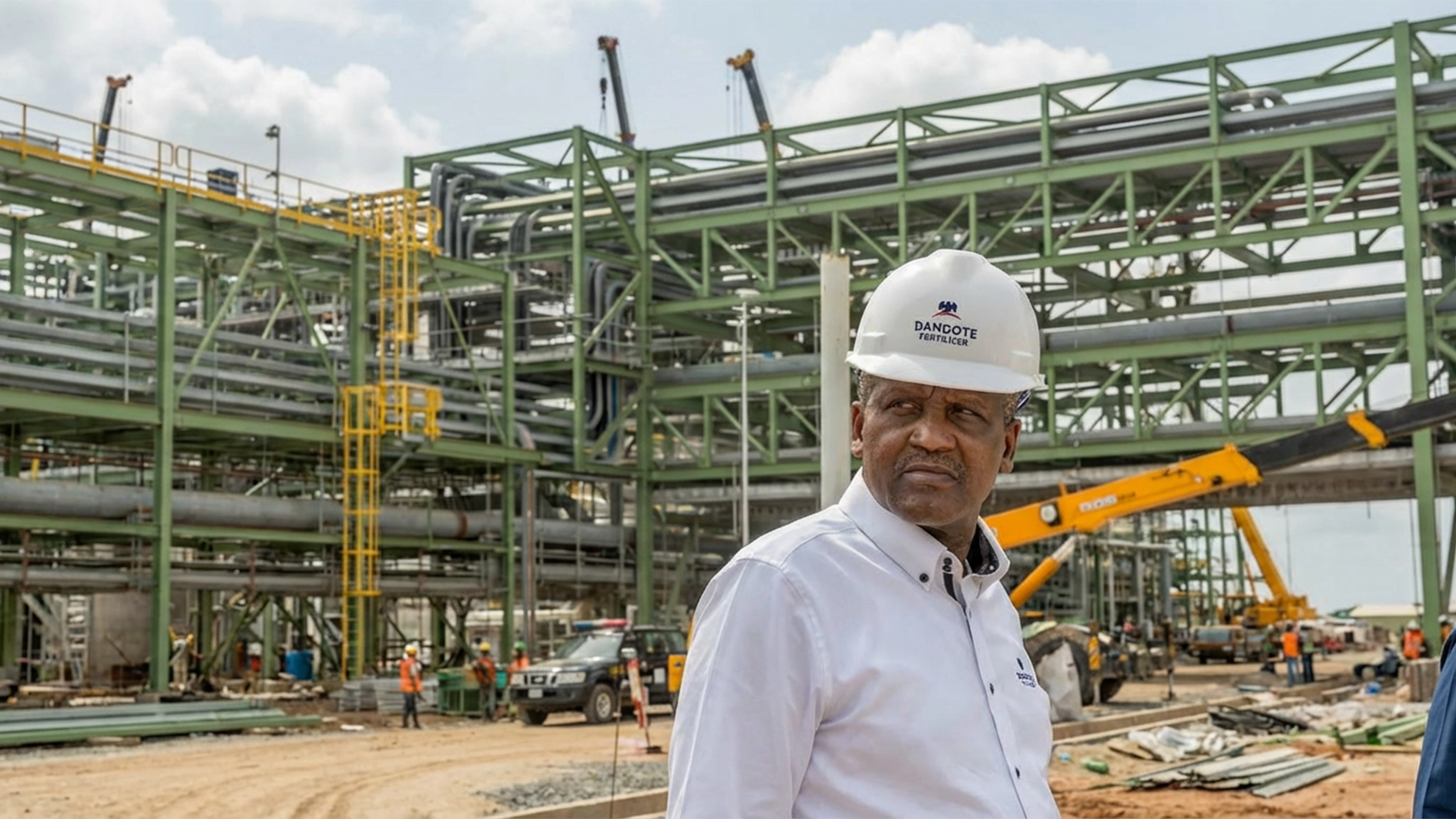
Africa’s richest man, Aliko Dangote, has unveiled plans to build a 650,000 barrels-per-day refinery in East Africa, matching the scale of his flagship Dangote Refinery, as part of a broader push to strengthen industrial capacity across the continent.
He made the announcement at a high-level summit in Nairobi, attended by key African leaders including William Ruto and Yoweri Museveni. Dangote said the project would depend heavily on government support and stable policies, but expressed strong confidence in its success.
The proposed refinery forms part of a wider $40 billion investment plan by the Dangote Group between now and 2030, targeting critical sectors such as refining, fertiliser production, and petrochemicals. According to Dangote, the initiative is aimed at reducing Africa’s dependence on imports and boosting local production.
He stressed that exporting raw materials while importing finished goods has long undermined Africa’s economic potential, arguing that the continent must prioritise industrialisation to create jobs and retain value within its economies.
The announcement comes amid concerns raised by the Africa Finance Corporation that Africa could face a fuel shortfall of up to 86 million tonnes by 2040. Currently, the continent imports more than 70% of its refined fuel and spends an estimated $230 billion annually on key imports, including energy and food.
President Ruto echoed Dangote’s position, calling for a shift away from reliance on external capital and raw material exports. He warned that Africa’s development goals would remain out of reach without a deliberate move toward self-sufficiency.
Beyond refining, Dangote also highlighted ongoing efforts to expand fertiliser production and petrochemical capacity across Africa, describing the refinery project as part of a long-term vision to transform the continent into a global industrial force.
If realised, the East African refinery could play a major role in addressing fuel shortages while advancing Africa’s drive for economic independence.