
UN General Assembly Declares Transatlantic Slave Trade ‘Gravest Crime Against Humanity,’ Calls For Reparations
27 March, 2026 | News
UN Declares Transatlantic Slave Trade ‘Gravest Crime Against Humanity,’ Urges Reparations
The United Nations General Assembly has adopted a landmark resolution recognising the transatlantic slave trade as “the gravest crime against humanity” and calling for reparations to address its lasting impact.
The resolution, passed at the UN headquarters in New York, received strong backing, with 123 countries voting in favour. However, the United States, Israel, and Argentina voted against it, while 52 nations—including the United Kingdom and several European Union members—abstained.
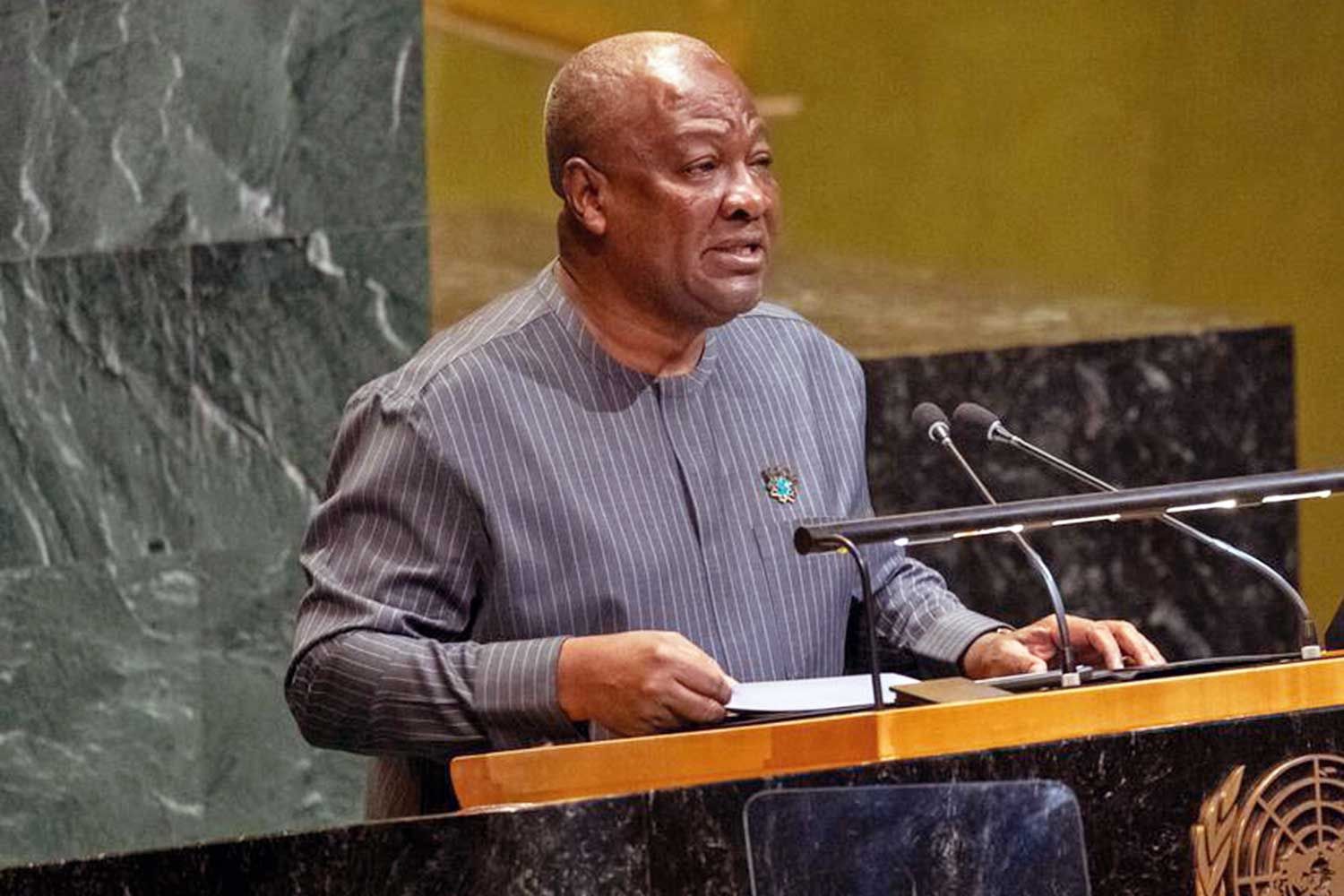
Proposed by Ghana and supported by its president, John Mahama, the resolution goes beyond symbolic recognition. It urges countries historically involved in the slave trade to pursue restorative justice and calls for the unconditional return of cultural artefacts—such as artworks, archives, and historical records—to their countries of origin.
Speaking after the vote, Mahama described the move as a step toward healing historical wounds, emphasising the importance of truth, remembrance, and justice.
UN Secretary-General Antonio Guterres condemned the transatlantic slave trade as a system that dehumanised millions, shattered families, and devastated communities, noting it was sustained by deeply rooted racist ideologies.
Ghana’s Foreign Affairs Minister, Samuel Okudzeto Ablakwa, said the resolution sends a clear message that the global community can no longer ignore the consequences of slavery. He called on countries responsible to issue formal apologies and commit to meaningful reparations for Africa and people of African descent.
Despite its broad support, the resolution faced criticism from some Western nations. The United States described it as problematic, arguing that it lacks a legal basis for reparations for actions that were not considered illegal under international law at the time. Some European representatives also warned against comparing historical tragedies in ways that could diminish the memory of victims.
Although the resolution is non-binding, it underscores the enduring legacy of the slave trade, linking it to modern inequalities and systemic discrimination. Between the 16th and 19th centuries, an estimated 12 to 15 million Africans were forcibly taken across the Atlantic, with millions dying during the journey.
Supporters say the resolution marks a significant step toward accountability, restitution, and long-overdue justice for one of history’s most devastating injustices.