
‘No Country Will Be Immune’ To Effects Of Global Energy Crisis: IEA Chief
March 23, 2026/ News update
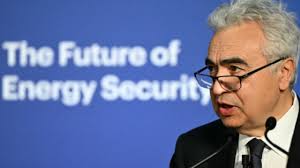
The global economy is facing a significant threat as the ongoing Middle East conflict continues to disrupt energy supply, according to Fatih Birol, head of the International Energy Agency.
Speaking at the National Press Club in Australia, Birol warned that the crisis could have far-reaching consequences, stressing that no country would be spared if the situation persists. He revealed that at least 40 energy facilities in the region have been “severely or very severely” damaged due to the conflict.
Birol compared the current situation to past global energy shocks, including the oil crises of the 1970s and the fallout from Russia’s invasion of Ukraine, noting that the present crisis combines elements of both oil and gas disruptions.
“This crisis, as things stand, is now two oil crises and one gas crash put all together,” he said, adding that urgent global cooperation is needed to prevent further economic fallout.
The warning comes as tensions escalate between the United States and Iran, with Donald Trump urging Tehran to reopen the Strait of Hormuz—a critical passage responsible for transporting about 20 per cent of the world’s oil and gas.
However, the waterway remains largely blocked, significantly disrupting petroleum shipments and intensifying fears of a prolonged global energy crisis.