
Middle East War: Dangote Meets Tinubu, Urges De-escalation Amid Global Oil Market Volatility
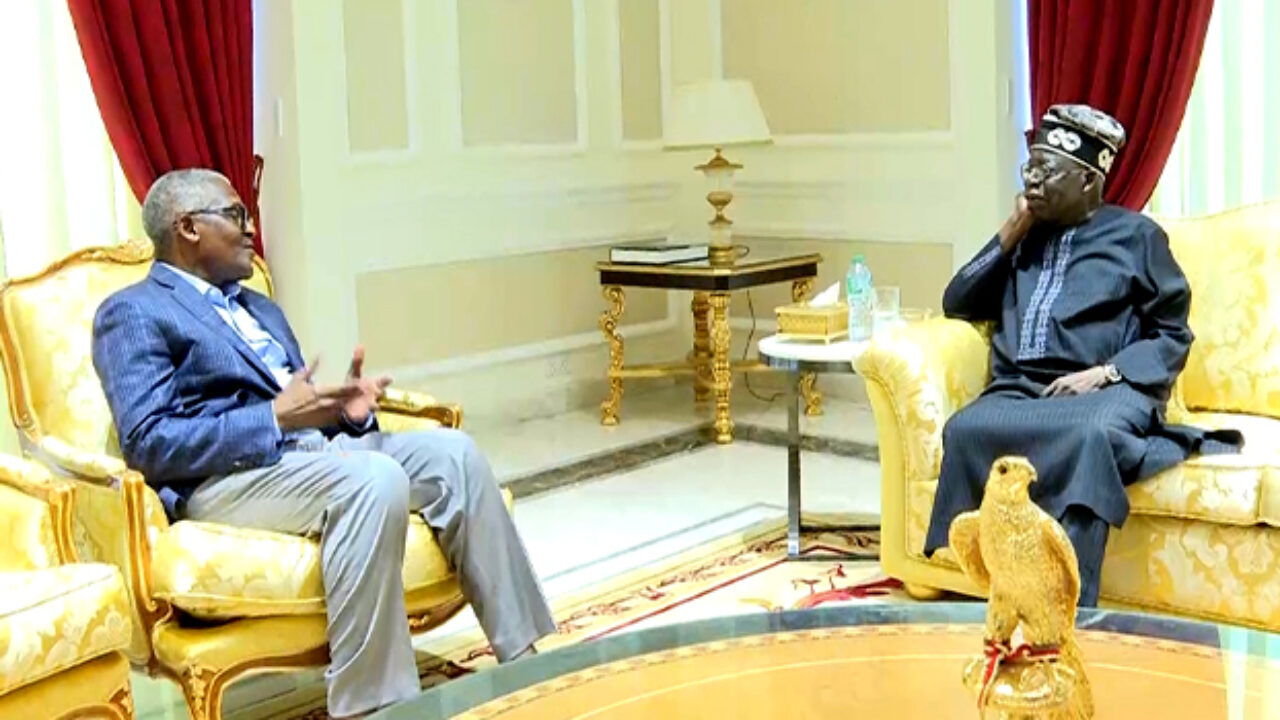
President of the Dangote Group, Aliko Dangote, has warned that the ongoing Middle East conflict could deepen economic hardship across Africa, citing rising volatility in global oil markets.
Speaking after a visit to Bola Ahmed Tinubu in Lagos, Dangote said that although Nigeria is not directly involved in the crisis, its economic impact would be unavoidable due to the interconnected nature of the global economy.
He cautioned that a prolonged conflict could place additional strain on African economies already burdened by debt and limited fiscal capacity.
“Africa is already paying heavily in debt, and adding this crisis will increase hardship for governments and citizens alike, despite having no involvement,” he noted.
Dangote emphasised that rising energy costs would ripple across all sectors, affecting small businesses, industries, and households. He explained that higher fuel prices could drive up production costs, which would ultimately be passed on to consumers.
He also warned that if the situation persists, countries may be forced to adopt cost-saving measures such as reduced workdays or remote working arrangements—similar to those seen during the COVID-19 pandemic—to manage energy consumption.
Meanwhile, Dangote described Tinubu’s recent state visit to the United Kingdom as a major boost for Nigeria’s economic outlook. He highlighted a £746 million financing agreement secured during the trip as a sign of renewed international confidence in the country.
According to him, the deal goes beyond its monetary value, signalling trust in Nigeria’s economic direction and leadership, which could attract further investments from other countries.
Dangote also encouraged local investors to leverage the opportunities created by such agreements, particularly access to international financing.
The warning comes amid rising global oil prices driven by tensions in the Middle East, which have disrupted supply chains and increased the cost of petroleum products worldwide. In Nigeria, this has translated into higher fuel prices, compounding inflation and raising transportation and production costs.
Businesses across the country continue to feel the pressure, especially those reliant on petrol and diesel-powered generators due to persistent electricity challenges, further driving up the cost of goods and services.