
Iran War: NLC Seeks Allowance, Tax Relief For Workers Over Fuel Price Hike
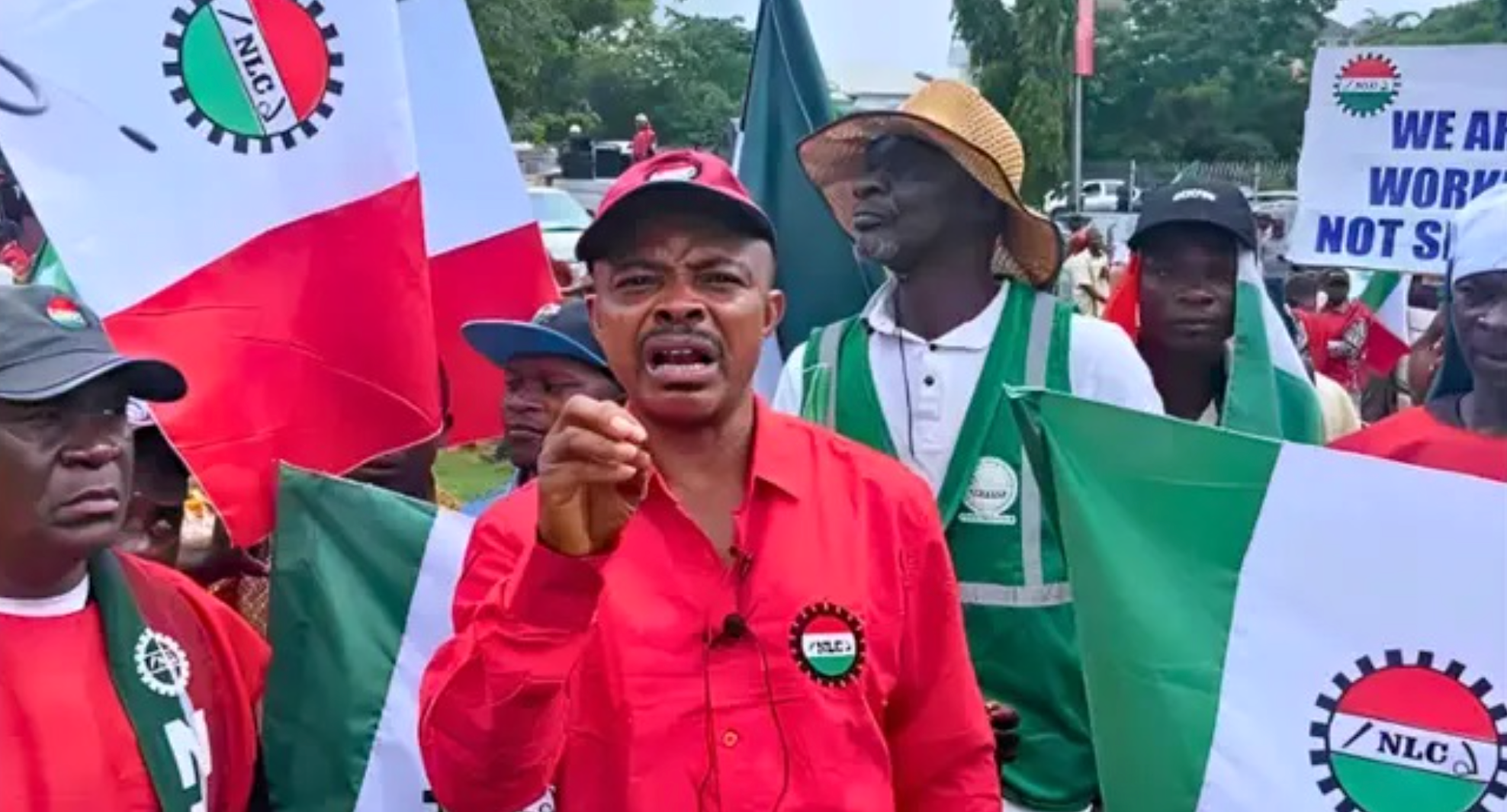
NLC Demands Cost-of-Living Allowance, Tax Relief as Petrol Prices Surge
Updated March 16, 2026
The Nigeria Labour Congress (NLC) has called on the Federal Government of Nigeria to introduce a cost-of-living allowance and tax relief for workers to cushion the effects of rising fuel prices triggered by the ongoing crisis in the Middle East.
The demand was contained in a statement titled “Save Nigerians From This Shock: An Urgent Relief Has Become Necessary,” signed by the NLC President, Joe Ajaero.
According to the labour union, the recent spike in the price of Premium Motor Spirit (PMS)—commonly known as petrol—has intensified economic hardship for Nigerian workers and citizens.
NLC’s Key Demands
The NLC urged the government to implement several immediate measures to ease the burden on Nigerians, including:
- An immediate wage award and cost-of-living allowance (COLA) for workers
- Expansion and reform of the national Cash Transfer programme to ensure transparency and better support for vulnerable citizens
- Tax relief for workers, including suspending taxes that disproportionately affect low-income earners
The labour body argued that the surge in petrol prices had exposed the fragility of Nigeria’s downstream petroleum sector and deepened the suffering of workers and their families.
Impact of Middle East Conflict
The union blamed the price surge partly on the escalating conflict involving the United States, Israel, and Iran, which has disrupted global oil markets.
According to the NLC, the crisis has pushed petrol prices in Nigeria to between ₦1,170 and ₦1,300 per litre, placing further pressure on household incomes.
“NLC voices the collective anguish of millions of Nigerian workers who are bearing the brutal cost of a global crisis they did not create,” the statement said.
The union also criticised Nigeria’s continued reliance on imported petroleum products and called for the urgent rehabilitation of the country’s state-owned refineries.
Call to Revive Public Refineries
The NLC insisted that billions of naira spent on turnaround maintenance of refineries must be accounted for, stressing that Nigeria must restore operations at the Port Harcourt Refinery, Warri Refinery, and Kaduna Refinery.
The labour group also warned that relying solely on private refining could expose the country to global price volatility.
It noted that the Dangote Refinery had adjusted its petrol prices several times in response to global market fluctuations, passing the cost burden directly to consumers.
Oil Prices Surge
The global oil market has reacted sharply to the conflict. Brent crude rose by about three per cent, reaching as high as $106.50 per barrel on Monday.
Fuel markets worldwide have recorded rapid price increases, particularly in countries that rely heavily on imported refined petroleum products.
Potential Oil Windfall
The NLC also referenced projections from the Nigeria Economic Summit Group (NESG) suggesting that Nigeria could earn about ₦30 trillion in additional oil revenue from the ongoing Middle East crisis.
However, the union warned that such windfalls must not disappear without benefiting citizens.
“The estimated ₦30 trillion oil windfall expected from the Middle East crisis must not disappear like previous windfalls. These resources must be invested in the Nigerian people to cushion the current hardship,” the union said.
Warning of Further Price Fluctuations
Meanwhile, the National President of the Petroleum Products Retail Outlets Owners Association of Nigeria (PETROAN), Billy Gillis-Harry, warned that fuel prices may continue to fluctuate while the war persists.
He noted that Nigeria’s fuel market currently relies heavily on supply from the Dangote Refinery, adding that global crude price movements will continue to influence domestic petrol prices.
Gillis-Harry also urged the federal government to establish a domestic energy bank to provide financing support for energy-related businesses.