
Abayomi Balogun: Nigeria’s Armed Forces Are Handicapped, We Need Rapid Response Teams
07 April, 2026 | News
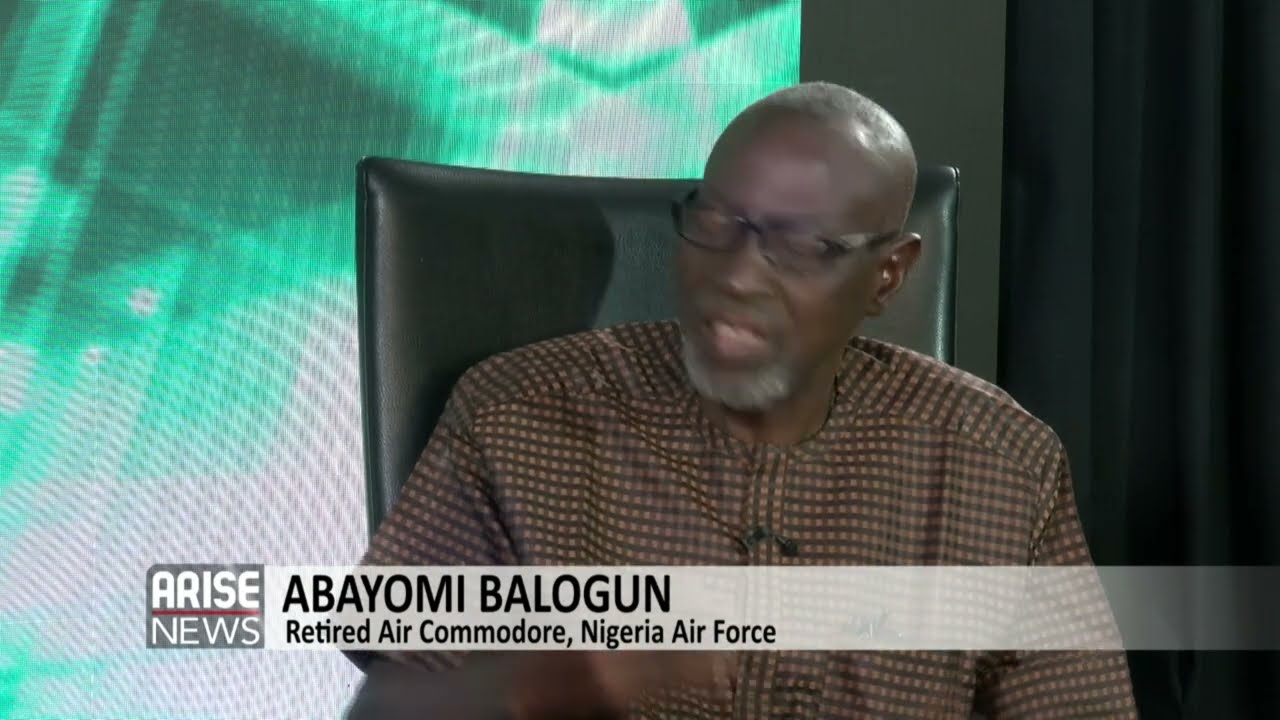
Abayomi Balogun has raised alarm over Nigeria’s worsening security situation, describing the country’s armed forces as handicapped and overly reactive in addressing threats.
Speaking during an interview on ARISE News, the retired Air Commodore criticised the current approach to security operations, urging a shift toward proactive, intelligence-driven strategies that can prevent attacks before they occur.
Balogun expressed concern that security forces often respond only after incidents have taken place, rather than anticipating and neutralising threats in advance. According to him, effective security depends on gathering actionable intelligence, understanding potential attackers, and deploying preventive measures ahead of time. He also highlighted the need for rapid-response units that can be mobilised immediately when threats arise.
He called for greater use of technology and intelligence gathering, particularly at the grassroots level. Emphasising a “bottom-up” approach, Balogun said local communities should serve as the first line of defence, with clear structures enabling citizens to report suspicious activities promptly and securely.
To improve coordination, he proposed the establishment of a centralised Multi-Agency Coordination and Control Centre where all security agencies would operate under one roof. Such a system, he explained, would allow for real-time intelligence sharing, swift analysis, and immediate deployment of responses.
Balogun also suggested leveraging the experience of retired military personnel and other former public servants, describing them as “retired assets” who can help bridge the gap between communities and security agencies. He noted that these individuals could play key roles in gathering and transmitting intelligence safely.
On tackling criminal networks, he advocated the creation of dedicated think tanks within the military to develop innovative strategies, including tracking ransom payments and disrupting criminal operations.
While acknowledging that socio-economic challenges contribute to insecurity, Balogun stressed that the primary issue remains a lack of coordinated and decisive action. He urged authorities to adopt bold and strategic measures to restore safety and stability across the country.