Falana Asks Nigerian Media To Commit Political Parties, Candidates To End Child Illiteracy
22nd November, 2026 | News
Falana Urges Media to Demand Education Plans from Political Parties, Says 20 Million Nigerian Children Are Out of School
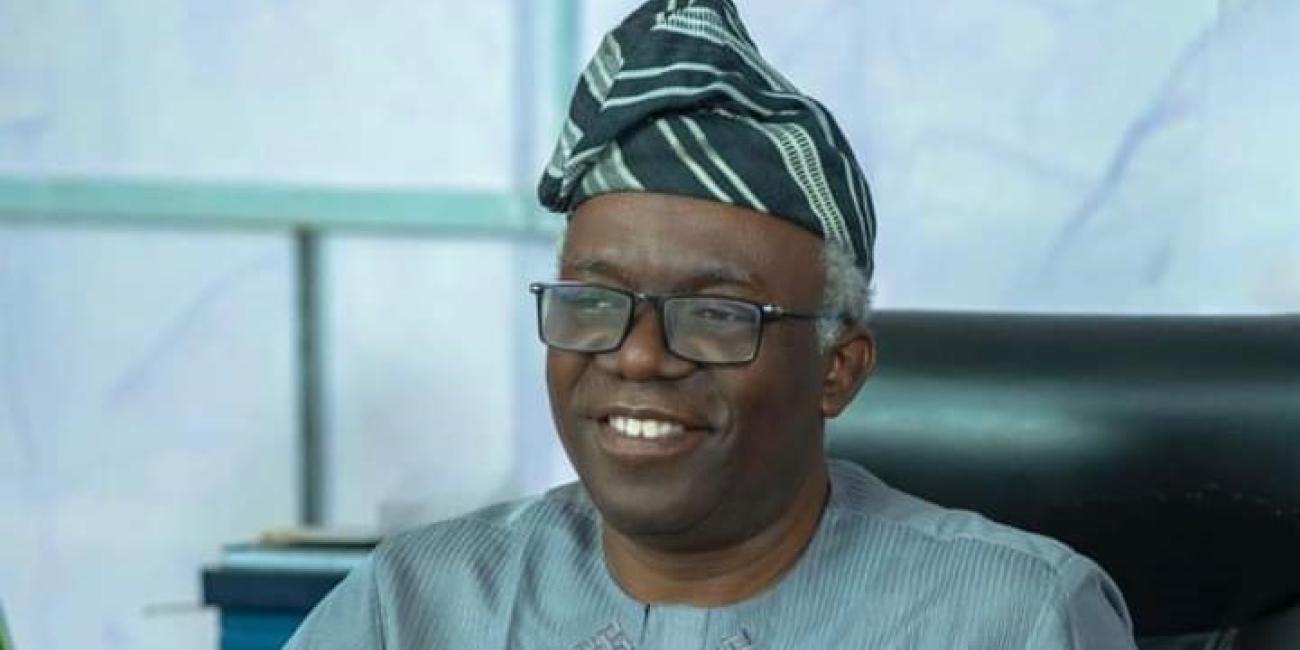
Renowned human rights lawyer, Femi Falana, SAN, has called on journalists to demand concrete commitments from political parties and their candidates on how they intend to tackle child illiteracy and the growing number of out-of-school children in Nigeria.
Falana said the ongoing political campaigns presented an opportunity for the media to question candidates on their plans to guarantee every Nigerian child access to free, compulsory and universal basic education.
In a statement issued on Sunday, the senior advocate criticised successive governments for failing to implement existing laws and court judgments guaranteeing children’s right to education despite the country’s enormous resources.
He expressed concern that approximately 20 million children, particularly those from poor backgrounds, remained outside the education system.
Falana Cites Laws Guaranteeing Free Basic Education
The human rights lawyer referenced Section 18 of the 1999 Constitution, which provides for government efforts to ensure equal and adequate educational opportunities at all levels.
He also cited Section 2(1) of the Compulsory, Free Universal Basic Education Act, which requires every government in Nigeria to provide free, compulsory and universal basic education for children of primary and junior secondary school age.
Falana further referenced Section 15 of the Child’s Rights Act, which guarantees every child the right to free, compulsory and universal basic education.
He noted that states had domesticated the Child’s Rights Act through their respective Child Rights Laws, in line with the United Nations Convention on the Rights of the Child.
According to him, the laws provide for government funding of basic education through a federal block grant of at least two per cent of the Federal Consolidated Revenue Fund, alongside matching contributions from state governments.
He stressed that tuition, textbooks, school meals and classroom services in public primary and junior secondary schools are expected to be provided free of charge under the relevant basic education framework.
Falana also explained that parents and guardians have a legal responsibility to ensure that their children attend and complete basic education.
Falana Raises Concerns Over Unutilised N267 Billion Education Funds
The senior advocate expressed concern over what he described as the failure of governments to utilise available resources to address the out-of-school children crisis.
He referenced a recent disclosure by the Universal Basic Education Commission (UBEC), which reportedly revealed that approximately N267 billion in released intervention funds remained unutilised as of August 2026.
He added that more than N65 billion in counterpart funding was yet to be accessed by state governments and the Federal Capital Territory.
Falana questioned why millions of Nigerian children remained without access to basic education despite the availability of substantial funds intended to improve the sector.
He argued that the failure to prioritise education, particularly for children from disadvantaged communities, could have serious consequences for national development and social stability.
Human Rights Lawyer Cites Court Judgments on Children’s Right to Education
Falana also accused state governments of disregarding judicial decisions that affirm the right of Nigerian children to education.
He referenced three cases, including SERAP v. Federal Republic of Nigeria (ECW/CCJ/JUD/07/10), Legal Defence and Assistance Project (LEDAP) v. Federal Ministry of Education and Femi Falana and Anor v. Attorney-General of the Federation and 36 Others.
According to him, these cases reinforce the legal responsibility of governments to protect and guarantee children’s access to education.
He maintained that the continued disregard for existing laws and court judgments had undermined efforts to address illiteracy and educational exclusion across the country.
Falana Calls for Action on Almajiri and Out-of-School Children
The senior advocate also highlighted the National Commission for Almajiri and Out-of-School Children Education Act, enacted in May 2023.
He explained that the legislation established a commission responsible for tackling illiteracy and educational exclusion among Almajiri children and other out-of-school populations.
Falana urged the government to ensure that the commission effectively carries out its mandate by developing strategies to bring affected children into the formal education system.
He also referenced the National Home-Grown School Feeding Programme, which was designed to provide meals to primary school pupils, expressing concern over the reported suspension of the initiative.
Political Parties Urged to Present Concrete Education Programmes
With political campaigns underway, Falana called on journalists to hold all registered political parties and their candidates accountable for their education policies.
He urged the media to demand specific programmes explaining how candidates intend to implement Section 18 of the Constitution and Article 17 of the African Charter on Human and Peoples’ Rights.
The lawyer insisted that removing school-age children from the streets and ensuring their enrolment in schools across the 36 states and the Federal Capital Territory should be treated as an urgent national priority.
He maintained that Nigeria possesses sufficient resources to address the crisis, stressing that the major challenge remains the lack of political commitment and effective implementation of existing education policies.
Falana called on governments at all levels to stop treating laws and judicial decisions on children’s right to education with disregard and take immediate steps to guarantee free and compulsory basic education for every Nigerian child.