Hundreds Die In Lagos Building Collapses As Developers, Officials Escape Prosecution
10th August, 2026 | News
Lagos Building Collapse Crisis: Dozens Dead as Weak Enforcement Raises Fresh Concerns
10 August 2026 | News
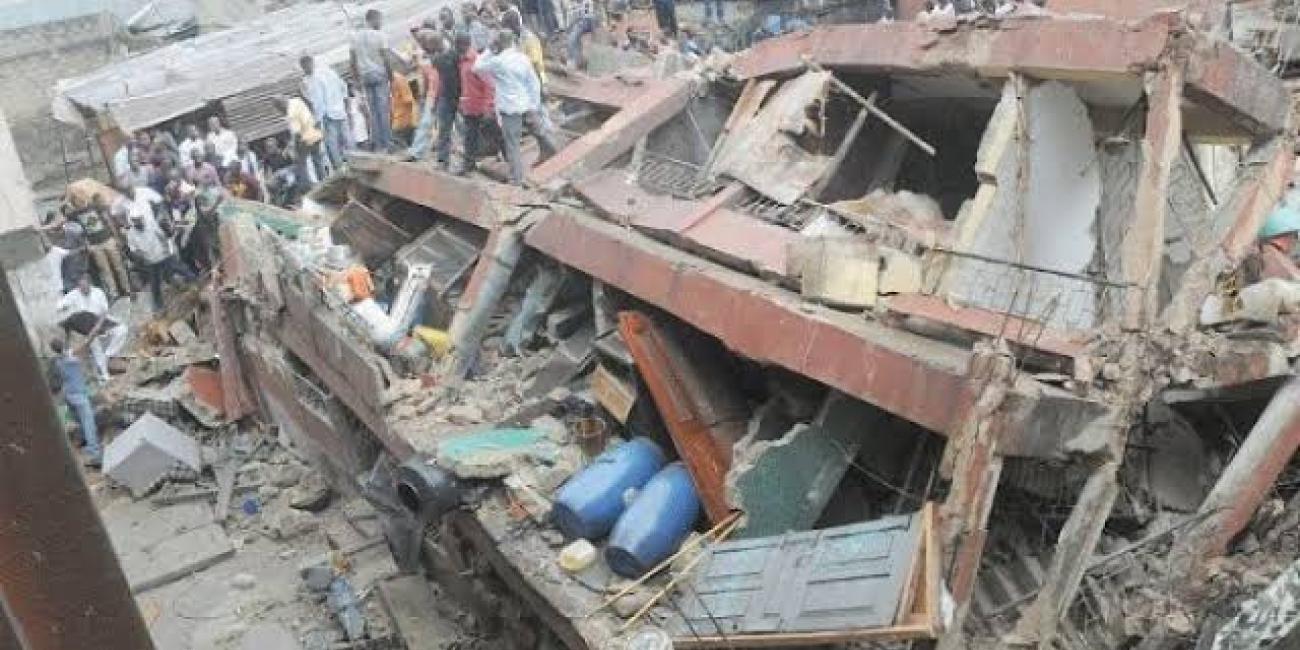
Lagos State is facing a persistent building safety crisis, with dozens of building collapses recorded over the years and hundreds of people reportedly killed or injured in the disasters.
The rapid pace of construction in Nigeria’s commercial capital, combined with alleged regulatory failures, poor construction practices and weak enforcement, has continued to expose residents, workers and businesses to serious risks.
From 2017 to mid-2026, families across Lagos have repeatedly mourned relatives killed in building collapses, while allegations of professional negligence, the use of substandard materials and non-compliance with building regulations have continued to emerge.
Despite demolition exercises and repeated assurances from agencies including the Lagos State Building Control Agency (LASBCA) and the Lagos State Emergency Management Agency (LASEMA), deadly collapses continue to occur.
Data Shows Persistent Crisis
Obtaining a single, comprehensive official database of building collapses and related deaths in Lagos remains difficult, as figures vary among government agencies, academic researchers and media organisations.
However, data compiled from multiple sources indicates that Lagos has recorded dozens of collapses over the past decade.
An Estate Intel analysis found that poor construction was the leading identified cause of building collapses between 2017 and 2022, accounting for about 36 per cent of cases. Old and dilapidated buildings accounted for another 20 per cent.
The analysis also highlighted the failure of responsible authorities to consistently enforce construction standards and regulations.
The Council for the Regulation of Engineering in Nigeria (COREN) has previously identified at least 90 building collapses in Lagos over a 10-year period.
The human cost has been severe. Studies and other compilations have linked hundreds of deaths to building collapses in Lagos, alongside numerous injuries, displacement and massive property losses.
Deadly Collapses Continue
Several major incidents have highlighted the scale of the crisis.
In November 2021, a 21-storey building under construction in Ikoyi collapsed, killing at least 42 people. The disaster triggered investigations and a coroner’s inquest, which raised serious questions about the conduct of agencies responsible for approving and supervising the project.
In March 2019, a building housing a primary school collapsed, killing about 20 people.
More recently, a three-storey residential building collapsed in Alakija, Satellite Town, in June 2026. At least nine people were killed, including two children, while 27 others were rescued with varying degrees of injuries.
Residents reportedly said the building had shown visible signs of structural weakness before the collapse.
Why Buildings Keep Collapsing
Experts and available studies have identified several factors contributing to building failures in Lagos.
They include poor construction practices, substandard building materials, illegal additions of extra floors, the activities of unqualified professionals and construction on unstable or subsidence-prone land.
Environmental conditions also contribute to the problem. Studies have linked land subsidence and proximity to lagoons and creeks to increased risks of structural failure.
Lagos Island and Ebute-Metta are among the areas repeatedly identified as vulnerable because of ageing and deteriorating buildings, overcrowding and unregulated development.
Other areas identified as having significant risks include Ajeromi, Alimosho, Amuwo-Odofin, Eti-Osa, Ikorodu, Kosofe, Mushin, Ojo, Oshodi-Isolo, Shomolu and Surulere.
A study published through the National Library of Medicine identified areas of Lagos exposed to high or very high building-collapse risks, particularly in locations affected by land subsidence.
Questions Over Accountability
Beyond the collapses themselves, concerns have grown over the prosecution of individuals and organisations allegedly responsible for unsafe construction.
LASBCA officials reportedly acknowledged in 2024 that, to their knowledge, there had been no prosecutions specifically linked to building collapse incidents in Lagos.
The agency’s spokesperson, Olusegun Olaoye, was quoted as saying that there had been no prosecutions in the past, despite acknowledging that the statistics were worrying.
The lack of significant prosecutions has fuelled criticism from experts and industry stakeholders who argue that demolishing unsafe structures alone does not provide justice for victims.
Real Estate Development Association of Nigeria (REDAN) chairman Tony Aspire Kolawole has also called for developers, contractors, consultants and officials who contribute to unsafe construction to face prosecution, stressing that demolition alone is not justice.
The 2021 Ikoyi coroner’s inquest similarly raised serious concerns about negligence and irresponsibility among agencies involved in approving and supervising the project. However, questions remain over the extent to which those findings have resulted in criminal accountability.
Too Few Inspectors, Too Many Risks
Another major concern is the capacity of regulatory agencies to adequately monitor construction across Lagos.
The state reportedly has only about 300 building inspectors, a figure experts consider insufficient for a megacity of Lagos’s size and population.
The shortage of inspectors, combined with alleged corruption, inadequate resources and weak enforcement, has raised concerns about the ability of authorities to identify and stop unsafe construction before disasters occur.
Reports have also highlighted the involvement of unqualified labourers and contractors who may lack the technical expertise required for complex construction projects.
Families Left to Pick Up the Pieces
Behind the statistics are families and communities whose lives have been permanently altered by building collapses.
Survivors have described the trauma of losing colleagues, friends and relatives, while families of victims continue to demand justice and accountability.
The consequences extend beyond loss of life. Businesses are destroyed, families are displaced and survivors may be left with serious injuries and psychological trauma.
For many affected households, the loss of a breadwinner can deepen poverty and make recovery even more difficult.
Calls for Stronger Action
The recurring disasters have renewed calls for fundamental reforms in Lagos’ building-control system.
Experts and stakeholders have called for stronger enforcement of building regulations, better funding for regulatory agencies, improved monitoring of construction sites, mandatory insurance and independent forensic investigations into major collapses.
There have also been calls for stronger protection for whistleblowers and greater transparency in the approval and inspection of building projects.
Despite previous administrations introducing stricter regulations, demolition exercises and task forces aimed at tackling unsafe construction, concerns remain over the effectiveness of implementation.
SaharaReporters said its efforts to obtain comprehensive records from the Lagos State Government on building owners, developers, contractors, engineers and government officials investigated, prosecuted or convicted over fatal building collapses since 2017 were unsuccessful.
The Lagos State Commissioner for Information, Gbenga Omotoso, and the Chief Press Secretary to Governor Babajide Sanwo-Olu, Gboyega Akosile, reportedly had not responded to requests for comments or calls as of the time of filing the report.
The continued occurrence of deadly building collapses suggests that Lagos’ construction safety crisis remains unresolved, with growing calls for authorities to move beyond demolition and promises of reform towards stronger enforcement, accountability and prevention.