How State Governments Shut Procurement Portals, Denied Nigerians Access To Monitor Multi-Billion Naira Projects
4th July, 2026 | News
Investigation Reveals Several Nigerian States Have Abandoned Public Procurement Portals After World Bank Transparency Programme
A review of Open Contracting Data Standard (OCDS) portals across Nigeria has revealed that several state governments have either shut down or failed to maintain platforms designed to provide public access to information on government contracts and procurement.
The portals were established under the States Fiscal Transparency, Accountability and Sustainability (SFTAS) Programme, a World Bank-supported initiative that received $750 million in funding through the Federal Ministry of Finance to promote transparency, accountability and fiscal sustainability across Nigeria’s 36 states.
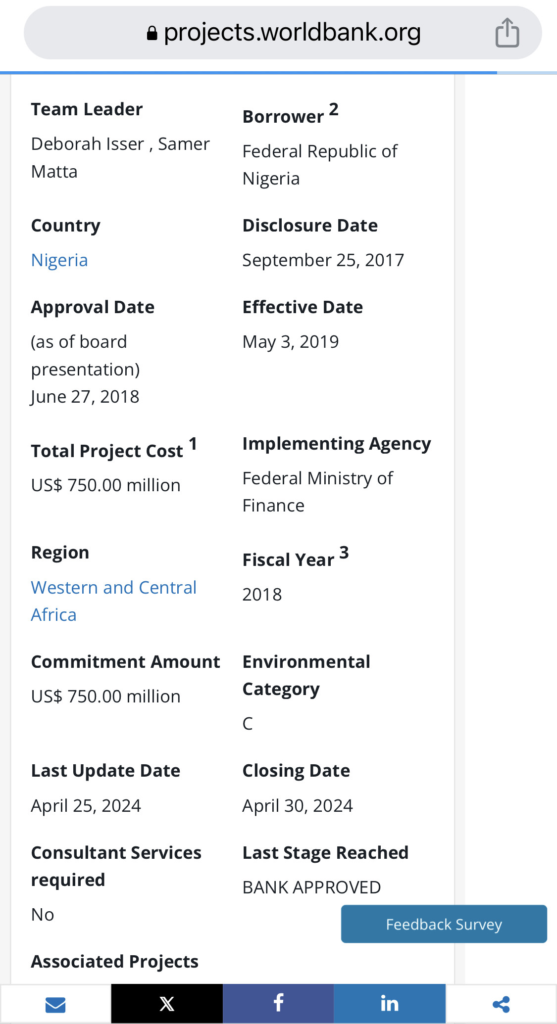
The programme, approved in 2018 and concluded in April 2024, encouraged state governments to publish procurement information, implement e-procurement systems and strengthen public procurement laws in partnership with the Nigerian Governors’ Forum (NGF).
However, checks by SaharaReporters found that many of the portals have become inaccessible or non-functional since the programme ended, making it difficult for citizens to monitor how billions of naira in public funds are spent.
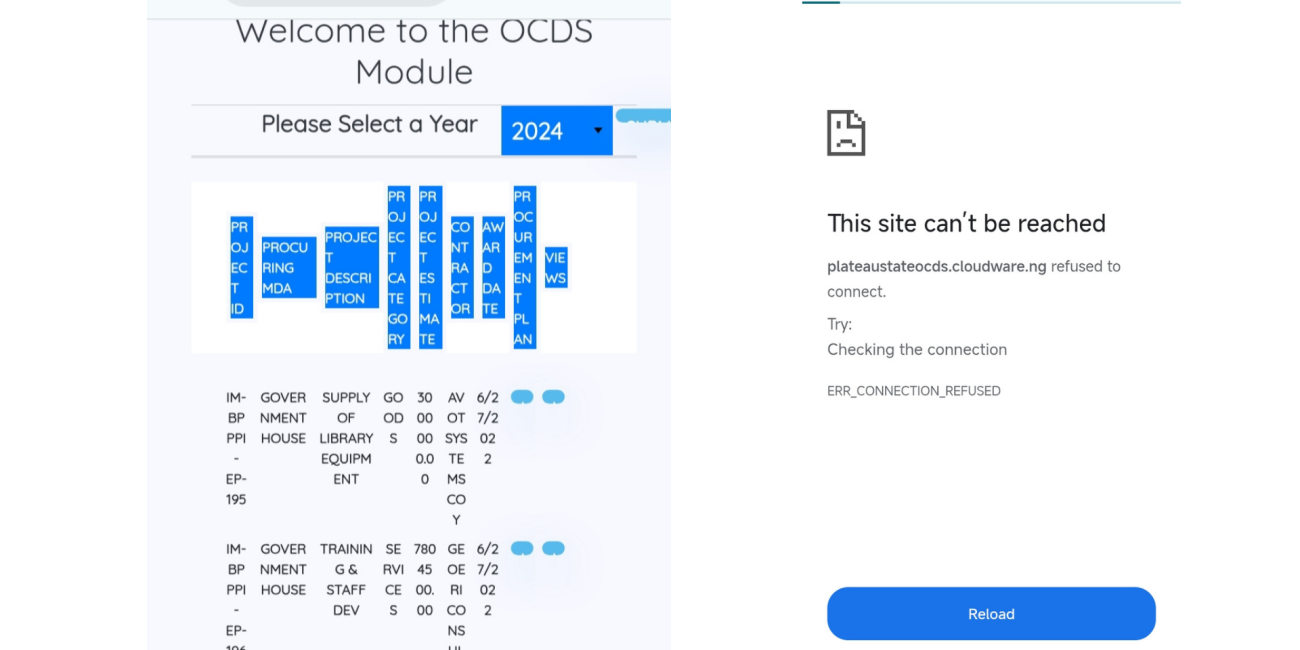
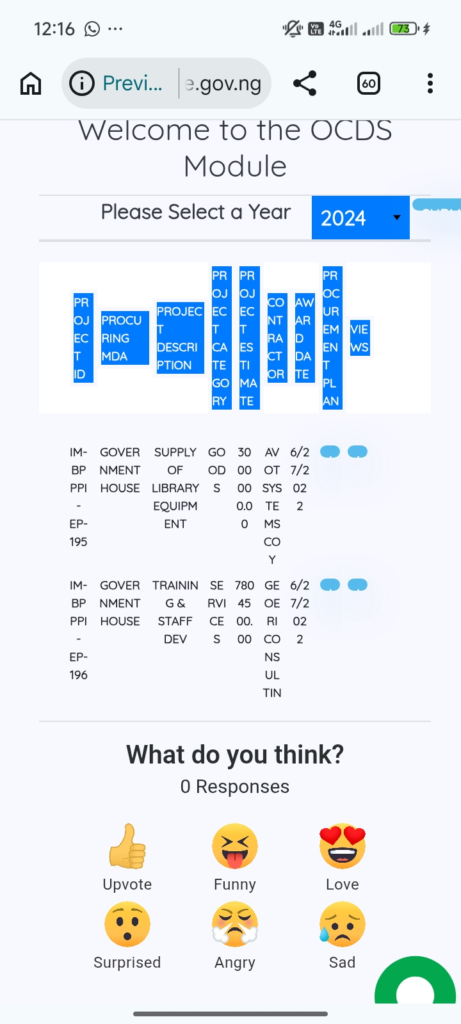
Among the affected states is Oyo, whose procurement portal displayed an “Error establishing a database connection.” Similar issues were observed with the Ondo State Bureau of Public Procurement portal, while Kwara State’s OCDS platform was found to be largely inactive, with only a basic landing page available.
The Imo State portal was also found to be poorly functional, while Nasarawa State’s platform had not been updated since around 2022. The Plateau and Edo state procurement portals were also inaccessible at the time of the review.
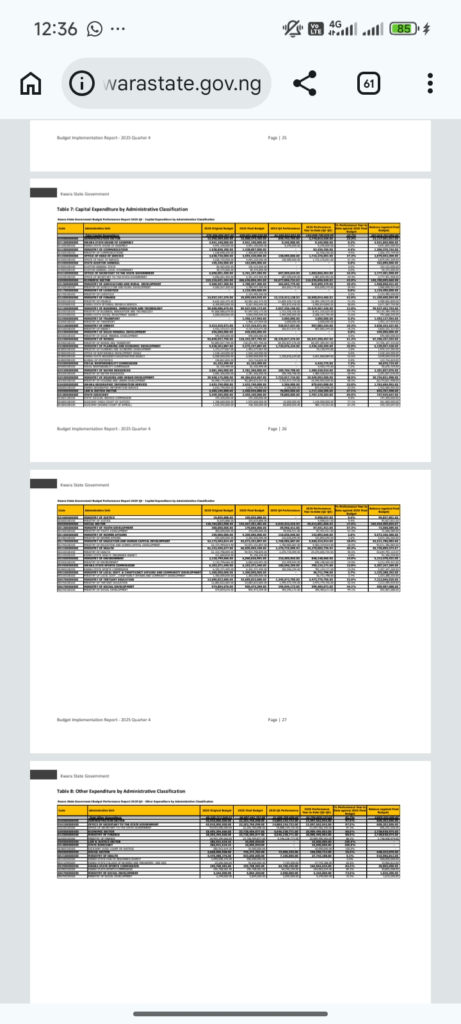
The findings come despite significant public spending on infrastructure and capital projects. In the 2025 fiscal year, Oyo State allocated approximately ₦394 billion to capital expenditure, while Ondo spent ₦122 billion and Kwara allocated ₦162 billion.
Without functioning procurement portals, citizens are unable to independently verify which companies received government contracts, the value of those contracts or whether due process was followed.
SaharaReporters noted that similar procurement data published through the portals had previously helped uncover questionable contract awards.
One such investigation revealed that the Ebonyi State Government awarded a ₦1.4 billion laboratory equipment contract to Euslar Consultancy Services, a company that was registered with the Corporate Affairs Commission (CAC) after the procurement process had already begun.
According to the report, the tender process commenced on November 6, 2025, while the company was officially registered on November 17, 2025. Despite this, the firm was awarded the contract on December 16, 2025, less than a month after its registration.
The widespread inactivity of the procurement portals has raised fresh concerns about transparency, accountability and public oversight of government spending, particularly as state governments continue to manage billions of naira in annual capital budgets.
Transparency advocates argue that maintaining functional procurement portals is essential for promoting open governance, preventing corruption and enabling citizens to scrutinise the use of public funds.