
Tinubu Defends Borrowing Spree, Says Debt Not “Leprosy” Amid Rising Nigeria Debt
29th April, 2026 | News
“Borrowing is Not Leprosy”: President Tinubu Defends Rising National Debt
ABUJA — President Bola Tinubu has doubled down on his administration’s aggressive borrowing strategy, dismissing critics of Nigeria’s ballooning debt and insisting that loans are a necessary tool for national development.
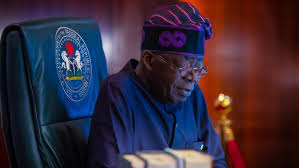
In a video currently circulating online, the President addressed the controversy surrounding the country’s fiscal direction, stating: “If we have to borrow money, we will borrow. Borrowing money is not leprosy. We just have to work hard to give to people.”
A Rapidly Climbing Debt Profile
The President’s comments come as economic experts and opposition leaders raise alarms over the sheer volume of loans acquired since he took office in May 2023. According to official figures and recent estimates, the trajectory of Nigeria’s public debt is staggering:
- 2023: ₦97 trillion.
- 2024: ₦144.67 trillion (driven by new loans and the devaluation of the Naira).
- 2026 (Current): Estimated at ₦159 trillion.
Key Recent Borrowings
The administration has secured several multi-billion dollar packages from both domestic and foreign sources to fund infrastructure and social safety nets:
- World Bank (June 2024): $2.25 billion to support economic reforms and subsidy removal fallout.
- External Plan (July 2025): A massive $21 billion external borrowing plan approved by the Senate, alongside various euro and yen instruments.
- Infrastructure Loans (April 2026): This week, both the House and Senate approved a $516.3 million loan from Deutsche Bank AG specifically to fund the Sokoto–Badagry Superhighway project.
The Economic Debate
While the government maintains that these funds are essential for healthcare, education, and security, economists warn that the “debt-to-revenue” ratio is reaching a breaking point.
Critics argue that a dangerous percentage of Nigeria’s annual revenue is now diverted toward debt servicing, leaving minimal resources for job creation or the stabilization of the electricity sector. With inflation and unemployment remains at historic highs, many citizens fear the administration is mortgaging the country’s future.
Despite the backlash, President Tinubu appears resolute, framing the borrowing spree as an act of necessity for a developing nation rather than a fiscal failure. “We just have to work hard to give to people,” he reiterated, signaling that the administration’s reliance on credit is unlikely to slow down anytime soon.