
Gulf Crisis Triggers $50bn IMF Support Plan For Nigeria, Others As Oil Holds Near $95
17th April, 2026 | News
IMF Targets $50bn for Vulnerable Nations as Middle East Tensions Stir Oil Markets
The International Monetary Fund (IMF) has announced a major contingency plan, preparing a support package of up to $50 billion to assist Nigeria and other vulnerable economies. This move aims to buffer countries against the economic volatility caused by escalating geopolitical tensions between the U.S. and Iran, which have kept global oil prices elevated.
IMF Response: A “Firefighter” for Fragile Economies
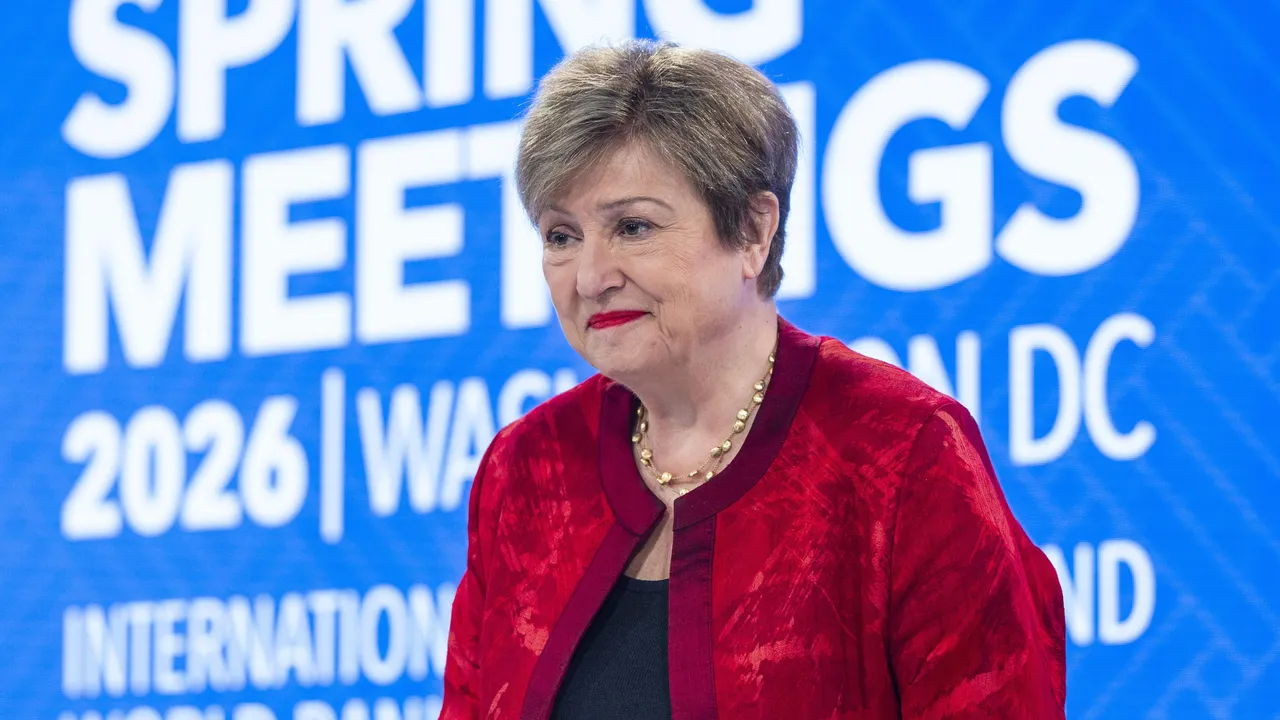
Managing Director Kristalina Georgieva disclosed the proposed intervention during the IMF/World Bank Spring Meetings in Washington DC. The fund is bracing for a surge in demand as energy-importing nations face an “asymmetric shock” characterized by high import costs and shrinking fiscal space.
- Projected Funding: $20 billion to $50 billion in potential financing.
- Target Regions: At least a dozen countries, primarily in Sub-Saharan Africa.
- Core Strategy: Encouraging “strong policies” to build buffers while providing emergency liquidity to protect the most vulnerable populations.
“It pains me that the majority of sub-Saharan African countries are in this quadrant of vulnerability… we are very determined to use this week to identify which countries most urgently need support.” — Kristalina Georgieva, IMF Managing Director
Energy Markets: High Stakes at $95 Per Barrel
Despite diplomatic efforts, oil prices remain high as supply risks persist. Brent crude is currently hovering around $95.28, reflected by a significant disruption in the Strait of Hormuz—a corridor responsible for 20% of global oil shipments.
| Crude Type | Current Price | Recent Change |
| Brent Crude | $95.28 | +0.5% |
| WTI (US) | $91.37 | +0.1% |
While U.S. President Donald Trump has suggested the conflict is “very close to over,” the physical reality on the water tells a different story. A U.S. naval blockade has effectively halted Iranian maritime trade, and refiners are paying record premiums—up to $22.80 per barrel above benchmarks—to secure alternative supplies.
Diverging Paths: Exporters vs. Importers
The IMF’s Fiscal Affairs Department highlighted a growing divide in how nations are experiencing this crisis:
- Oil Exporters (e.g., Nigeria): Higher prices may provide a temporary “windfall.” Experts advise using these gains to clear debts and rebuild fiscal buffers rather than increasing spending.
- Oil Importers: These nations face a “quadruple threat” of high energy costs, rising fertilizer prices, increased shipping fees, and food insecurity.
Geopolitical Brinkmanship
The situation remains volatile due to conflicting signals from Washington and Tehran:
- U.S. Optimism: President Trump claims Iran is “eager” for a deal and that the stock market will “boom” once the war concludes.
- Iranian Defiance: Iran’s military has threatened to expand shipping shutdowns to the Red Sea if the U.S. blockade continues, labeling the maritime restrictions “illegal.”
- The Ceasefire: Reports of an “in-principle agreement” to extend the current two-week ceasefire remain unconfirmed by U.S. officials, though diplomatic engagement continues.
As global public debt heads toward 100% of GDP by 2029, the IMF is urging policymakers to strike a delicate balance: maintaining fiscal credibility without abandoning the citizens most affected by the rising cost of living.