
Kabir Adamu: Weak Systems Enable Money Laundering and Fuel Insecurity in Nigeria
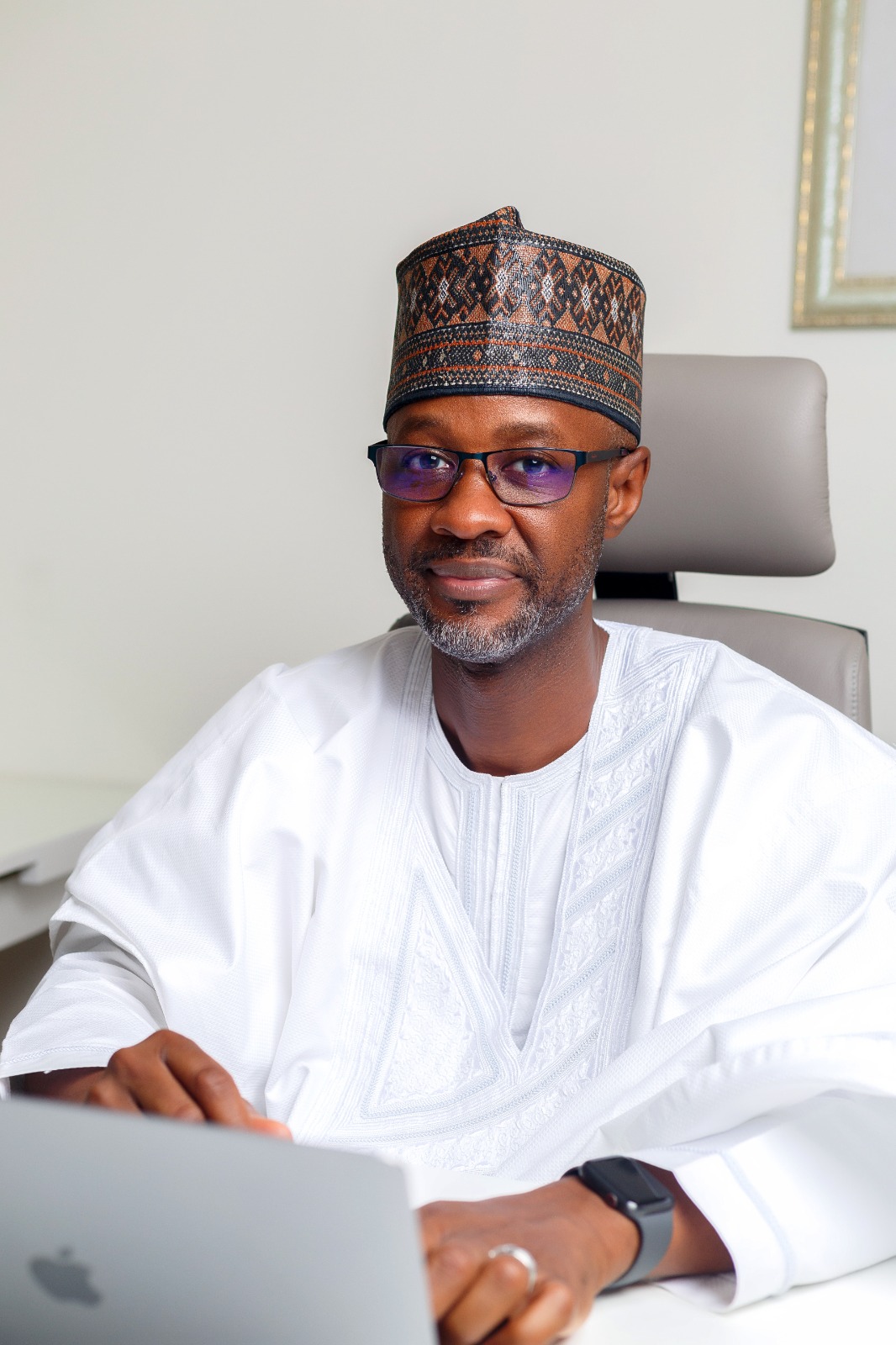
Weak Systems Fuel Money Laundering, Insecurity — Expert
Security analyst Kabir Adamu has warned that Nigeria’s worsening insecurity is being driven by gaps in identity systems and weak financial oversight, which continue to enable money laundering and criminal activities.
Speaking during an interview, Adamu said the country’s inability to effectively track individuals is a major setback, revealing that over 100 million Nigerians remain outside any formal identification system. This, he noted, makes it difficult for authorities to trace suspects or monitor criminal networks.
He also highlighted poor coordination among institutions managing citizen data, explaining that multiple agencies collect information without a unified system to harmonise it. According to him, these disconnects create loopholes that criminals exploit.
Adamu further pointed to the size of Nigeria’s informal economy—estimated at over 60 per cent of GDP—as a major channel for illicit financial flows. He explained that activities such as ransom payments and money laundering often occur outside formal regulatory systems, making detection more difficult.
Despite existing financial regulations, he stressed that enforcement remains weak. He expressed concern that ransom payments have, in some cases, been traced through formal banking channels, describing the situation as alarming and indicative of regulatory lapses.
The expert also raised issues within the banking sector, particularly the reliance on poorly paid contract staff who may have access to sensitive financial systems, increasing the risk of compromise.
On digital security, Adamu warned that Nigeria’s online space lacks accountability, allowing individuals to display suspicious wealth without scrutiny. He called for stronger regulation and urged authorities to hold technology platforms accountable under Nigerian laws.
While acknowledging recent policy improvements, he maintained that implementation remains the real challenge. He emphasised that without stronger coordination, improved tracking systems, and stricter enforcement, money laundering will continue to fuel insecurity across the country.