
Crude For Naira Not Designed To Benefit Dangote Refinery But To Stabilise Nigeria’s FX
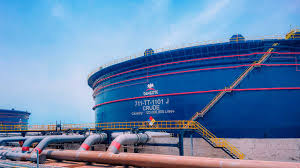
Crude-for-Naira Policy Aims at FX Stability, Not Refinery Gains — CEO
The Chief Executive Officer of Dangote Refinery, David Bird, has clarified that the Federal Government’s crude-for-naira policy is intended to stabilise Nigeria’s foreign exchange market rather than offer financial benefits to the refinery.
The policy, introduced under the administration of Bola Tinubu and announced by Finance Minister Wale Edun, took effect on October 1, 2024. It allows domestic crude transactions to be conducted in naira instead of US dollars, with the goal of easing pressure on the country’s currency.
Speaking during an interview, Bird said the initiative has been widely misunderstood, stressing that the refinery still purchases crude at full international benchmark prices without any discounts or subsidies.
According to him, the core objective of the programme is to strengthen the naira by reducing dependence on foreign exchange for crude transactions. He noted that processing local crude in local currency benefits the broader economy rather than the refinery alone.
However, Bird pointed out that the refinery has faced challenges under the arrangement, particularly in accessing sufficient crude supply. While the agreement provides for 13 to 15 cargoes monthly, he revealed that the refinery currently receives only about five, forcing it to source additional crude from international markets at higher premiums.
He warned that this shortfall results in financial losses for Nigeria, as funds that could circulate within the local economy are instead paid to international traders.
Despite these challenges, the refinery—owned by Aliko Dangote—is operating at full capacity of 650,000 barrels per day, supplying both domestic and regional fuel demands.
Bird also highlighted the impact of global tensions, particularly in the Middle East, on operational costs such as shipping, insurance, and logistics, noting that fuel pricing remains tied to international market realities.
Looking ahead, he called for long-term government planning, including building strategic reserves and strengthening supply chains to cushion future global shocks.
He further disclosed plans for a public listing of the refinery, describing it as a “people’s IPO” aimed at allowing broad participation from Nigerians and investors across Africa.